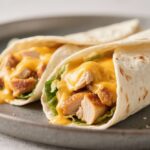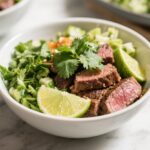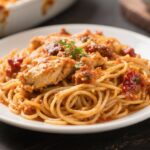
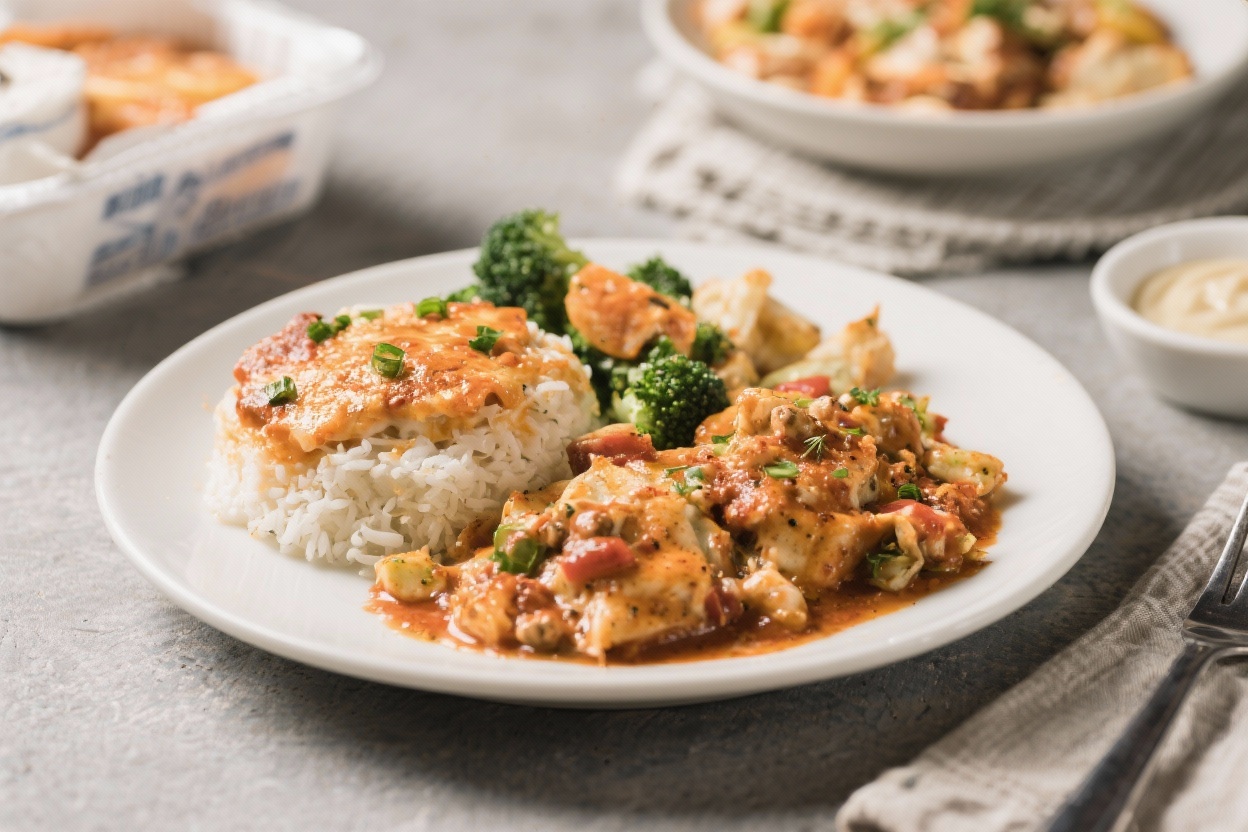
Frozen food has come a long way from plain peas and mystery casseroles. With a few smart picks and simple tricks, you can build weeknight dinners that taste fresh, feel wholesome, and take minimal effort. Whether you’re cooking for one or feeding a family, frozen ingredients help you cut prep time without sacrificing flavor.
This guide shares easy, reliable dinner ideas using frozen staples you can always keep on hand. Consider it your shortcut to stress-free, satisfying meals.
Why This Recipe Works
These frozen food dinner ideas work because they rely on ingredients that are flash-frozen at peak freshness, so flavor and texture stay strong. You get consistent results, even when produce is out of season or you’re short on time.
The structure below keeps meals balanced—protein, vegetables, and a hearty base—without complicated steps. With a few pantry items and spice blends, frozen basics turn into meals that feel homemade.
Shopping List
- Proteins (frozen): chicken thighs or tenders, salmon fillets, shrimp (peeled and deveined), turkey meatballs, plant-based crumbles, edamame
- Vegetables (frozen): broccoli florets, mixed stir-fry veggies, spinach, peas, roasted corn, bell pepper strips, cauliflower rice
- Bases (frozen or shelf-stable): brown rice or quinoa pouches, potato gnocchi, frozen naan or flatbread, frozen mashed potatoes, frozen ravioli
- Convenience items: frozen pizza dough, frozen pierogi, frozen butternut squash, frozen hash browns
- Pantry staples: olive oil, soy sauce or tamari, garlic powder, onion powder, Italian seasoning, chili flakes, curry paste or powder, jarred marinara, pesto, salsa, coconut milk, lemon juice, honey
- Optional garnishes: grated Parmesan, feta, green onions, cilantro, lime wedges, toasted nuts or seeds
Instructions
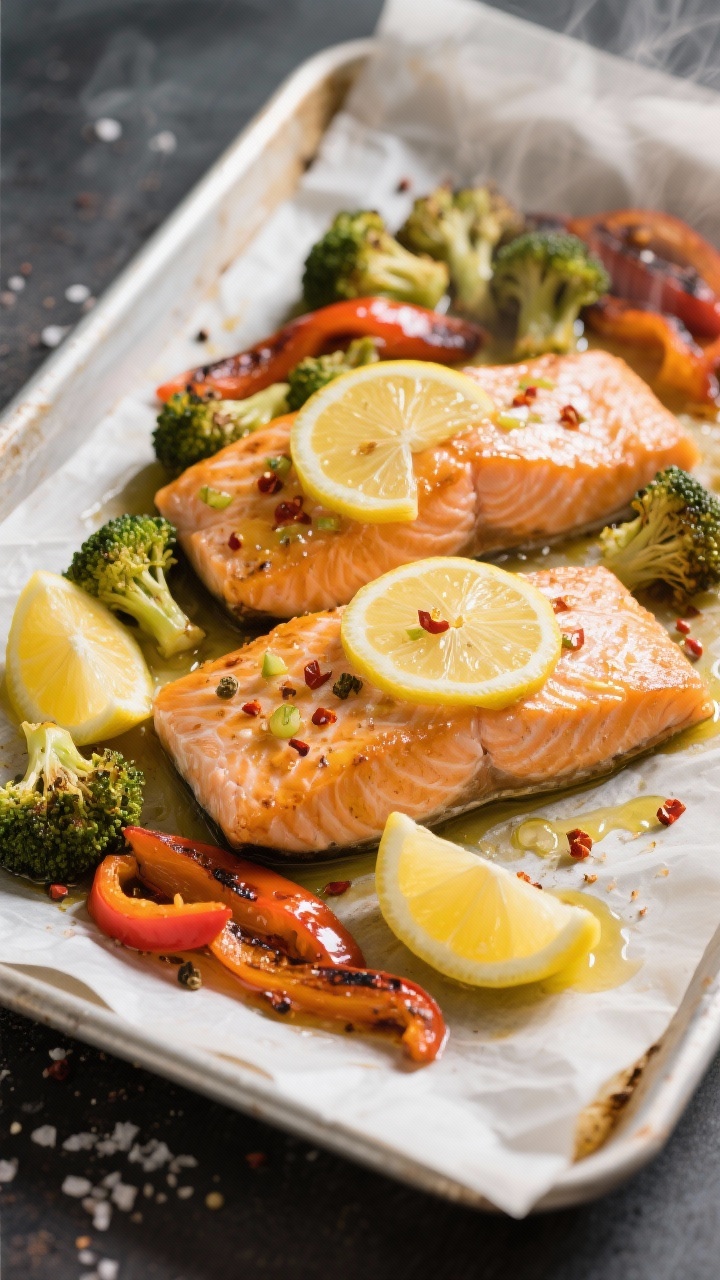
- Sheet Pan Lemon-Garlic Salmon with Veggies
- Preheat oven to 425°F (220°C). Line a sheet pan with parchment.
- Scatter frozen broccoli and bell pepper strips on the pan. Toss with olive oil, garlic powder, salt, and pepper.
- Add frozen salmon fillets. Brush with olive oil and lemon juice; season with salt and chili flakes.
- Roast 15–20 minutes, until salmon flakes and veggies are tender. Finish with a squeeze of lemon.
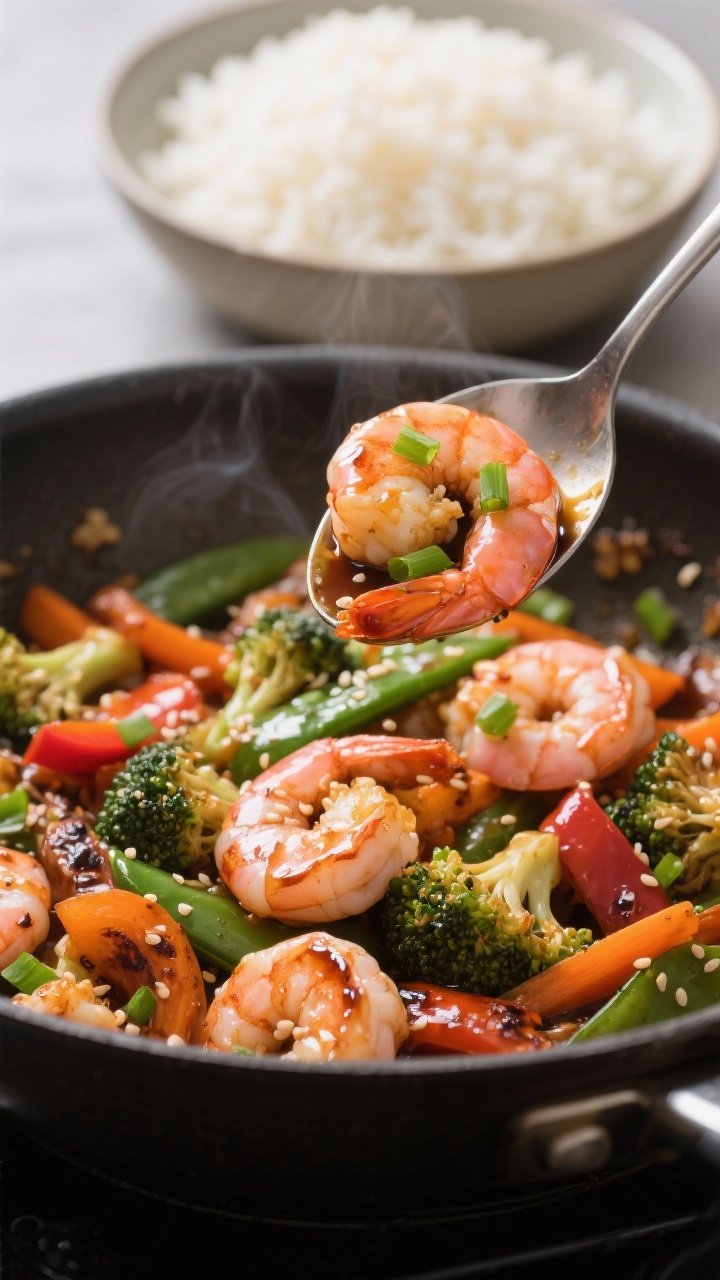
- 15-Minute Shrimp Stir-Fry
- Heat a large skillet over medium-high with a tablespoon of oil.
- Add frozen stir-fry vegetables and cook until hot and slightly charred.
- Add frozen shrimp. Season with soy sauce, a dash of honey, and garlic powder.
- Serve over microwaved frozen rice or cauliflower rice. Top with green onions.
- Creamy Spinach Ravioli Skillet
- In a skillet, warm a splash of olive oil. Add frozen ravioli and 1/2 cup water; cover and simmer 5–7 minutes.
- Stir in frozen spinach, a few spoonfuls of pesto or marinara, and a splash of cream or coconut milk.
- Simmer 2 minutes until creamy and heated through. Finish with grated Parmesan.
- Turkey Meatball Marinara Bake
- Preheat oven to 400°F (205°C). In a baking dish, add frozen meatballs and jarred marinara.
- Cover and bake 20–25 minutes until hot and bubbling.
- Serve over frozen mashed potatoes or garlic-buttered frozen naan. Add mozzarella if you like.
- Weeknight Curry with Veggies and Edamame
- In a pot, sauté a spoonful of curry paste in oil until fragrant.
- Add a can of coconut milk, frozen mixed vegetables, and frozen edamame.
- Simmer 8–10 minutes. Season with salt and a squeeze of lime.
- Serve over microwaved brown rice. Top with cilantro.
- Gnocchi Skillet with Roasted Corn and Peppers
- Pan-fry frozen gnocchi in olive oil until golden and crisp.
- Add frozen roasted corn and bell peppers; season with onion powder and Italian seasoning.
- Toss with a spoonful of pesto or a pat of butter and lemon zest. Finish with feta.
- Breakfast-for-Dinner Hash
- Crisp frozen hash browns in a large skillet with oil.
- Stir in frozen spinach and peas; season with salt, pepper, and garlic powder.
- Top with fried or scrambled eggs. Add hot sauce or salsa.
- Quick Flatbread Pizzas
- Top frozen naan with marinara, grated cheese, and frozen spinach or peppers.
- Bake at 425°F (220°C) for 8–10 minutes. Finish with chili flakes and a drizzle of olive oil.
How to Store
Store any leftovers in airtight containers in the fridge for up to 3 days. Let hot foods cool slightly before sealing to reduce condensation.
For longer storage, portion into freezer-safe containers or bags, label with the date, and freeze for up to 2–3 months. Reheat gently on the stovetop or in the oven to maintain texture, adding a splash of water or broth if sauces seem thick.
Benefits of This Recipe
- Consistent quality: Frozen ingredients keep flavor, color, and nutrients locked in.
- Minimal waste: Use exactly what you need and keep the rest frozen.
- Speed: Most meals are ready in 15–30 minutes.
- Budget-friendly: Frozen staples are often cheaper than fresh, especially off-season.
- Flexible: Mix and match proteins, veggies, and sauces to fit cravings or dietary needs.
Pitfalls to Watch Out For
- Excess water: Some frozen veggies release moisture. Roast at high heat or sauté in a hot pan to prevent sogginess.
- Overcooking seafood: Shrimp and fish cook quickly. Pull them as soon as they’re opaque and flaky.
- Salt creep: Sauces, pesto, and soy sauce can be salty. Taste as you go and season lightly at first.
- Uneven heating: When baking from frozen, give dishes space on the pan for good airflow.
- Freezer burn: Repackage bulk items into smaller, airtight portions to keep quality high.
Recipe Variations
- Spicy Cajun Shrimp Bowls: Toss frozen shrimp with Cajun seasoning; sauté with frozen corn and peppers. Serve over rice with a squeeze of lime.
- Mediterranean Meatball Pitas: Warm meatballs; serve in toasted flatbread with frozen spinach, feta, cucumber, and yogurt-garlic sauce.
- Veggie-Packed Cauliflower Fried “Rice”: Stir-fry cauliflower rice with peas, carrots, edamame, and scrambled eggs. Season with soy sauce and sesame oil.
- Butternut Squash Alfredo: Simmer frozen squash with a splash of cream and garlic, then blend. Toss with ravioli or gnocchi and Parmesan.
- Sheet Pan Chicken Fajitas: Roast frozen chicken strips with peppers and onions; season with cumin and chili powder. Serve with warm tortillas and salsa.
FAQ
Do I need to thaw frozen ingredients first?
Usually, no.
Most vegetables and proteins can go straight into a hot pan or oven. If items are clumped together, briefly run them under cool water to separate, then pat dry.
How do I keep frozen vegetables from getting soggy?
Use high heat and avoid crowding the pan. Roasting at 425°F (220°C) or stir-frying in a hot skillet helps moisture evaporate fast, keeping textures crisp-tender.
Can I swap proteins in these recipes?
Yes.
Substitute shrimp with salmon, chicken with turkey meatballs, or use plant-based crumbles. Adjust cook times based on thickness and doneness.
Are frozen foods as nutritious as fresh?
Often, yes. Frozen produce is typically picked and frozen at peak ripeness, preserving nutrients well.
It’s a reliable choice when fresh options aren’t great.
What’s the best way to reheat leftovers?
Reheat gently on the stovetop with a splash of water or broth. For baked dishes, cover with foil and warm in a 350°F (175°C) oven until hot.
Which sauces pair well with frozen staples?
Quick wins include marinara, pesto, curry paste with coconut milk, soy sauce with honey and lime, and salsa with a dab of sour cream or yogurt.
How do I build a balanced frozen dinner?
Aim for one protein, one or two vegetables, and a base like rice, gnocchi, or flatbread. Add a flavorful sauce and a fresh element like herbs or citrus.
Final Thoughts
Frozen food dinners don’t have to be boring.
With a few go-to items and simple techniques, you can put flavorful, balanced meals on the table fast. Keep your freezer stocked, lean on bold sauces, and cook with high heat for great texture. Once you get the hang of it, you’ll have a weeknight routine that’s easy, affordable, and consistently delicious.